
Quick Read
- Thousands evacuated in the Pacific Northwest after historic flooding from atmospheric rivers.
- Saturated soils and strained levees keep region at risk as more rain and high winds are forecast.
- Animals rescued alongside residents; recovery efforts underway but complicated by ongoing weather threats.
- La Niña pattern is expected to fuel continued precipitation and storms through late December.
- Authorities warn of persistent flood, mudslide, and power outage risks in Washington, Oregon, and California.
Historic Floods Sweep Pacific Northwest, Leaving Communities in Crisis
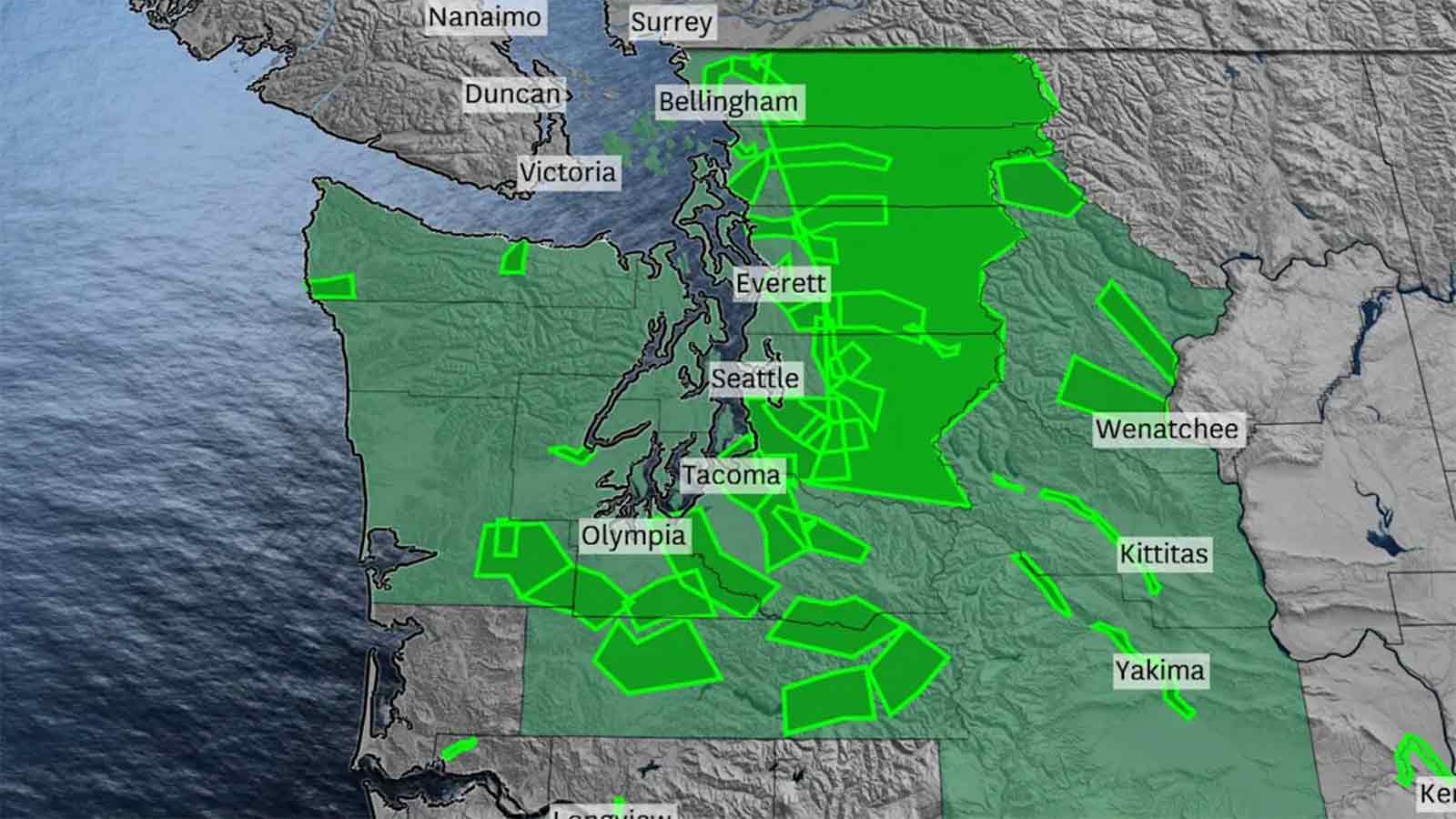
The Pacific Northwest is reeling from a series of historic floods triggered by intense atmospheric rivers, forcing thousands from their homes and inundating entire communities. As floodwaters slowly recede, the region faces a sobering reality: the danger is far from over. Saturated soils, strained levees, and the threat of additional rain and wind loom large, keeping residents and officials on edge.
From western Washington to northwestern Oregon, rivers swelled beyond their banks after an unusually powerful atmospheric river dumped more than a foot of rain across the region over several days. The deluge turned roads into rivers, swept through farmland, and prompted dramatic rescues from rooftops and vehicles. Emergency officials, led by Washington’s Governor Bob Ferguson, toured the hardest-hit areas, describing the recovery ahead as “expensive, time-consuming, and potentially dangerous.” (APR)
Evacuations and Aftermath: Lives Upended, Recovery Begins
In communities like Burlington, north of Seattle, residents returned to assess the damage as floodwaters receded. The cleanup is daunting. Volunteers and neighbors joined forces to haul out waterlogged furniture, rip up soaked carpets, and salvage what little could be saved. “I know it’s materialistic stuff, but they were our stuff. It’s really hard. But we’re gonna try our best to get through it all,” said Argentina Dominguez, reflecting the emotional toll the floods have exacted.
Animals, too, were caught in the chaos. At the peak of evacuations, roughly 170 horses, 140 chickens, and 90 goats were rescued and sheltered in a county park in Snohomish County, with many still being cared for days later. The scope of the disaster is evident not just in flooded homes but in the ongoing struggle to safeguard lives, property, and livelihoods.
Lingering Risks: Saturated Soils, Mudslides, and Levee Failures
Even as the sun returns, forecasters warn that saturated ground makes the region especially vulnerable. “We’re not done despite the sunny conditions,” cautioned Reid Wolcott, meteorologist at the National Weather Service in Seattle. The risk of mudslides, levee breaches, and toppled trees remains high as more rain and high winds are forecast for the coming days. Power outages and road closures are expected to persist, complicating recovery efforts.
The National Weather Service and NOAA’s Climate Prediction Center (CPC) outline a moderate risk—40–60% probability—of heavy precipitation from western Washington down to central California during December 20–26, with further risks of heavy rainfall extending to the Mexican border later in the month. Heavy snowfall is anticipated for the Cascade Range and Sierra Nevada, adding to the hazards facing both urban and rural communities. (The Watchers)
Atmospheric Rivers and La Niña: A Dangerous Seasonal Mix
This year’s flooding is intensified by a persistent La Niña pattern, which often drives wetter, stormier conditions to the West Coast. Forecasters predict a series of atmospheric rivers will continue to impact the region through late December, raising the probability of above-normal precipitation by more than 60% across northern and central California, southeastern Oregon, and northern Nevada. The saturated soils and already strained infrastructure mean that each new storm brings renewed risk of flooding and landslides. (NOAA/CPC)
In higher terrain, including the Cascades and Sierra Nevada, heavy snow will compound the threat, potentially leading to avalanche risk and further isolating communities already battered by floods.
Personal Stories: Resilience Amid Uncertainty
For many, the ordeal is far from abstract. Residents like Dominguez and countless others face the challenge of rebuilding homes and lives from the ground up. The emotional cost is as real as the financial one. “We’re just trying to get everything off the floor so we can start over,” she said, echoing a sentiment shared across the region.
Local governments and emergency agencies are mobilizing resources, but officials warn that the recovery will stretch well into 2026. The process is complicated by ongoing weather threats, making planning and response a moving target.
Looking Ahead: Preparedness and Community Response
As atmospheric rivers continue their assault, preparedness is paramount. Authorities urge residents to stay vigilant, heed evacuation orders, and prepare for potential power outages and impassable roads. The importance of community solidarity is clear—neighbors helping neighbors, volunteers stepping in, and local organizations providing shelter and supplies.
For the Pacific Northwest, this season’s floods are a stark reminder of the power of nature and the need for robust disaster planning. With more storms on the horizon and La Niña fueling the cycle, both government and residents face a long road to recovery. The next few weeks will test the resilience of the region, with the threat of further flooding and landslides hanging over communities already stretched to their limits.
Analysis: The Pacific Northwest’s struggle with atmospheric river flooding in December 2025 is not just a story of weather, but of endurance. The combination of historic rainfall, persistent La Niña conditions, and vulnerable infrastructure reveals how climate-driven extremes are testing communities, emergency systems, and individual resolve. The coming weeks will demand continued vigilance, swift response, and the kind of solidarity that turns crisis into collective action.